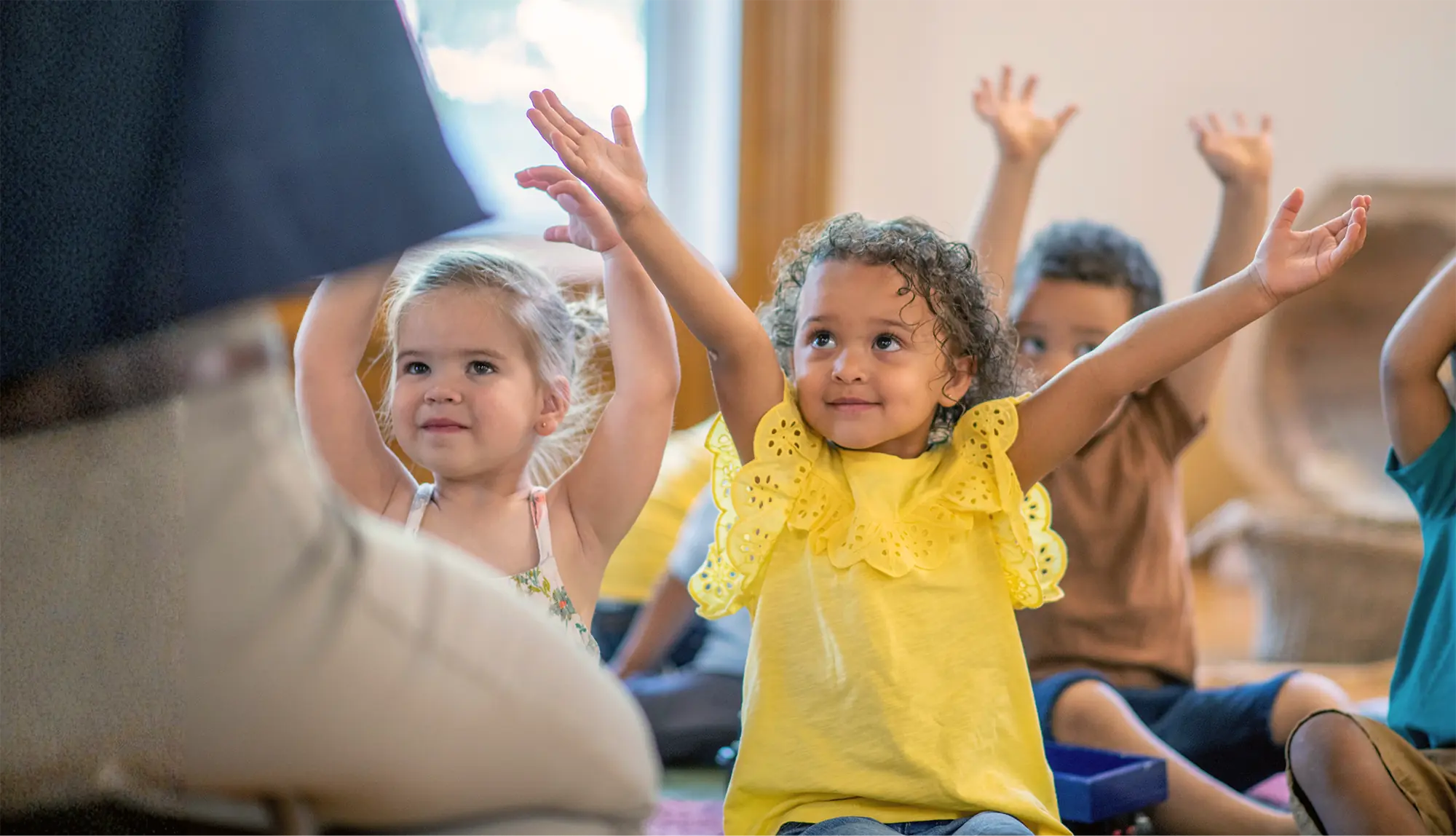
Your kid’s summer doIn 2005, the American Camp Association studied 80 camps and found that kids showed measurable growth in self-esteem, independence, social skills, and leadership after just one session. Not one summer. One session.
That data came from campers, parents, and staff, all reporting the same outcomes independently.
If you’re weighing the cost and logistics, here’s what the research actually says about the benefit of summer camp, and why fitness and mindfulness summer camp programs in Philadelphia keep growing in popularity.
1. Kids Build Real Social Skills
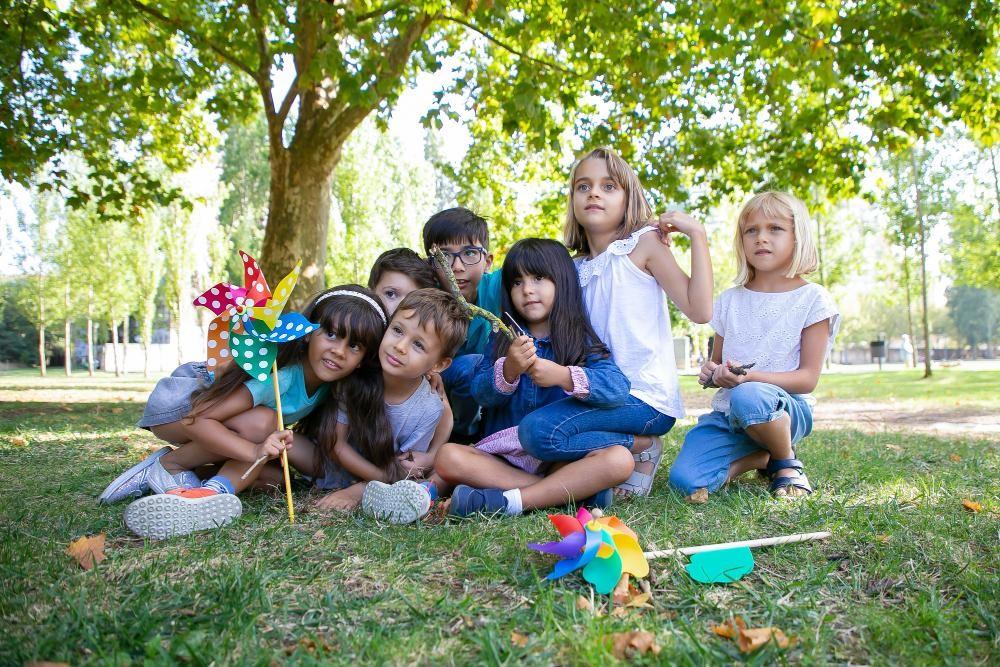
Camp drops kids into a group of strangers and gives them a shared mission: figure out how to have a great time together. No group chat to hide behind. No emojis to substitute for real conversation.
A Harvard Graduate School of Education report found that camps build social skills by introducing children to entirely new peer groups, creating spaces where silliness is accepted and bullying is not, and removing the crutch of technology. Many camps restrict phones entirely, so kids learn to read faces, handle disagreements, and make friends without a screen between them.
For kids who’ve spent years with the same classmates, this is a reset. No existing cliques. No reputation following them down the hall. The ACA’s Directions study (Thurber et al., 2007) documented consistent growth in “social comfort” and “friendship skills” across every type of camp studied, from YMCA to Girl Scouts to independent programs.
This is one of the clearest advantages of summer camp: social skills practiced in real time, with real stakes, in a setting designed to support kids through the awkward parts.
2. Independence Grows When Parents Aren’t Watching
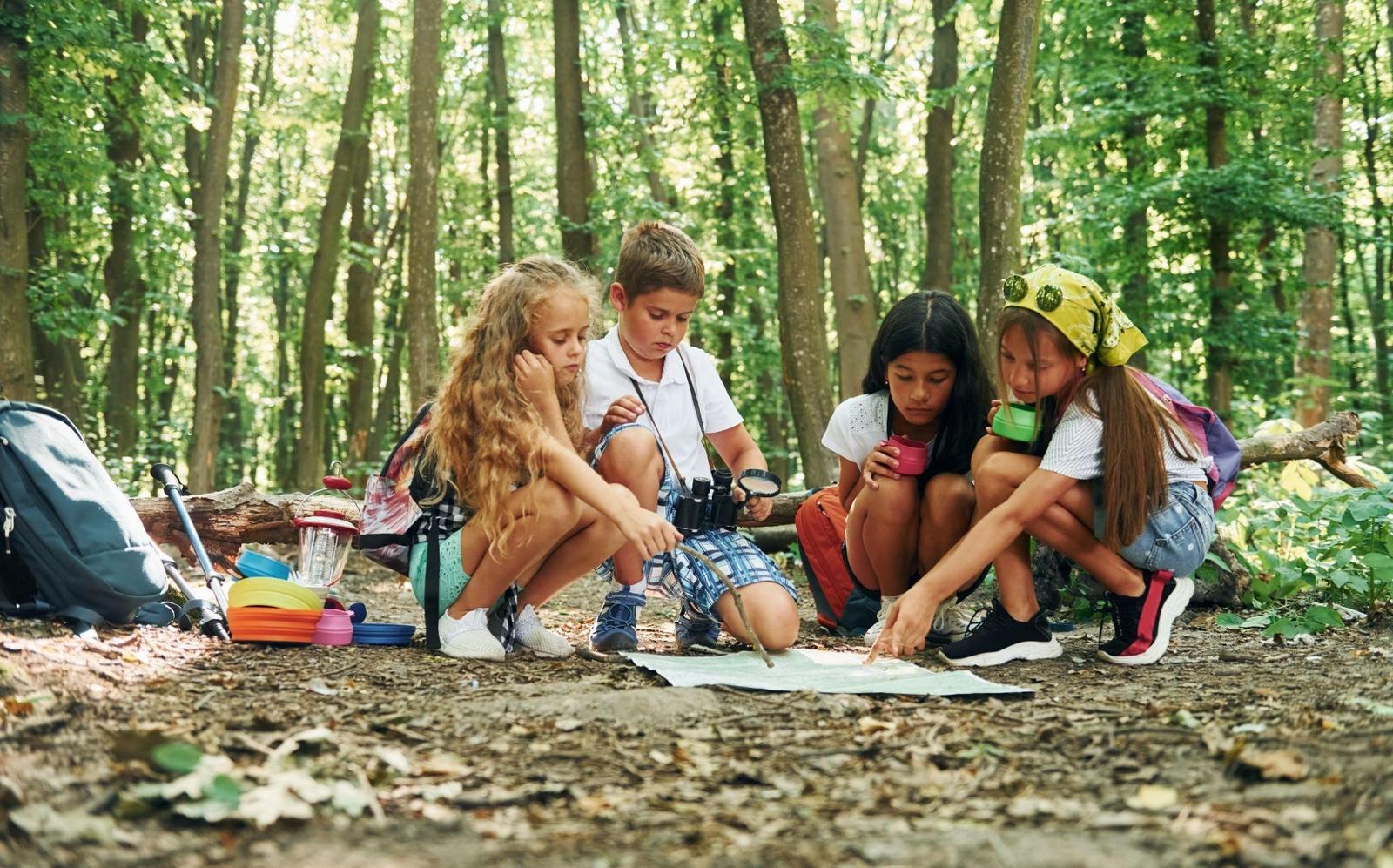
At camp, kids make small decisions all day. What to try next. How to solve a problem with a cabinmate. Whether to push through something hard or ask for help.
The ACA found independence was one of the top outcomes parents observed after a single camp session. What makes camp different from school or sports is the ratio: more decisions per hour, less adult intervention per decision. Structure exists, but within it, kids have genuine agency.
That’s the benefit of summer camp here. The environment itself (new place, limited parent contact, peer-driven days) creates conditions where independence doesn’t just develop. It has to.
3. Physical Activity That Doesn’t Feel Like Exercise
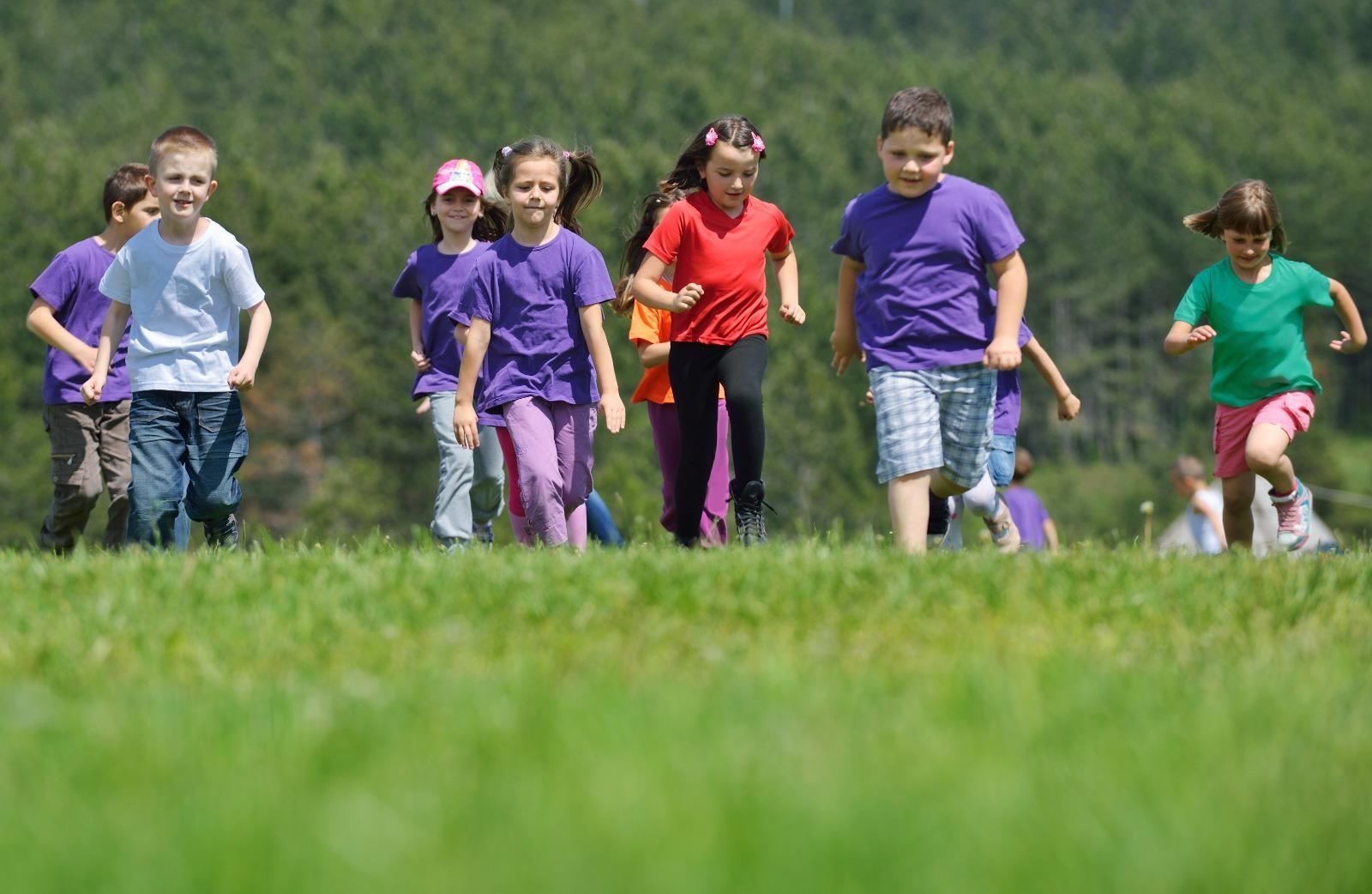
Brazendale and colleagues found that 70% to 80% of day camp attendees met recommended levels of moderate-to-vigorous physical activity during camp time. Hickerson and Henderson found campers’ daily step counts nearly met or exceeded U.S. Department of Health and Human Services guidelines.
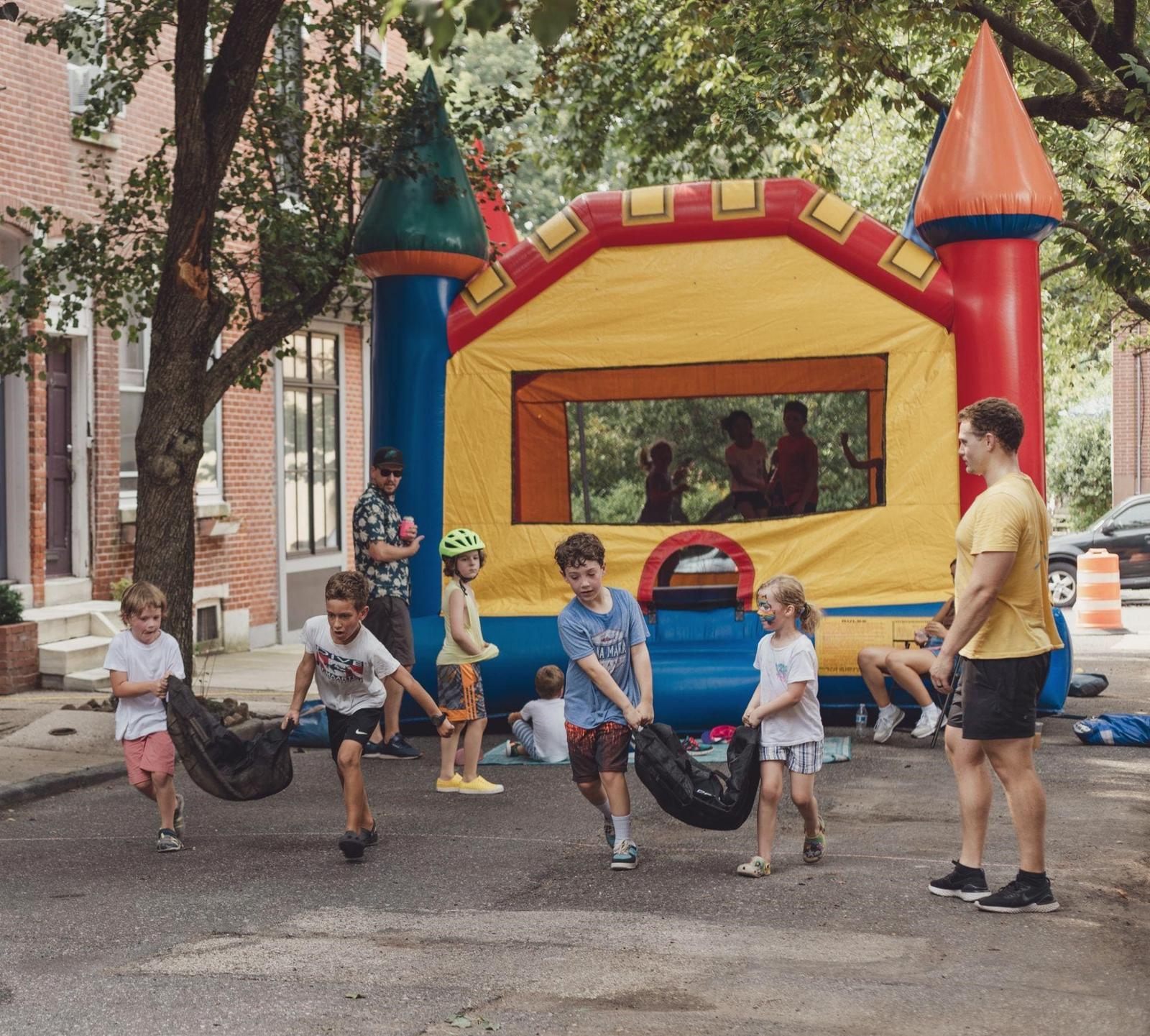
Nobody’s running laps. They’re playing capture the flag, swimming, climbing, and chasing each other across fields. The CDC recommends 60 minutes of daily activity for kids ages 6 and up, and most children don’t hit that during summer break. Camp does it by default.
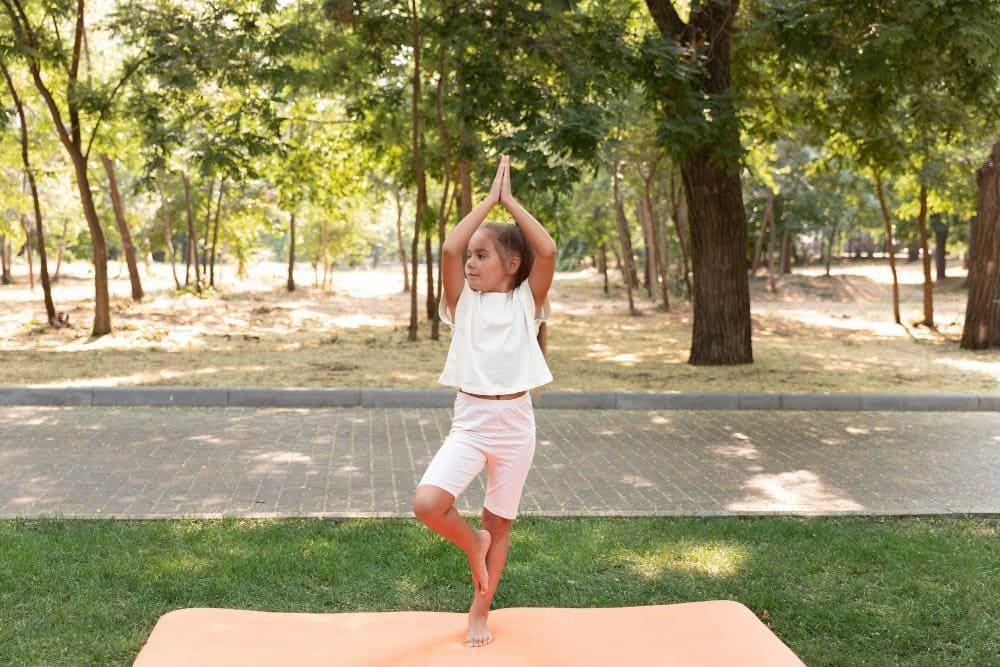
Fitness-based summer camps take this further. The Fitfulness model starts every session with high-energy fitness games, transitions into yoga for recovery, then settles into guided meditation. That sequence follows the body’s natural arc: get the heart rate up, bring it down, then find stillness. Kids experience it as fun. Their bodies experience it as a complete workout covering cardiovascular endurance, coordination, flexibility, and focus.
4. Confidence Comes from Doing Hard Things
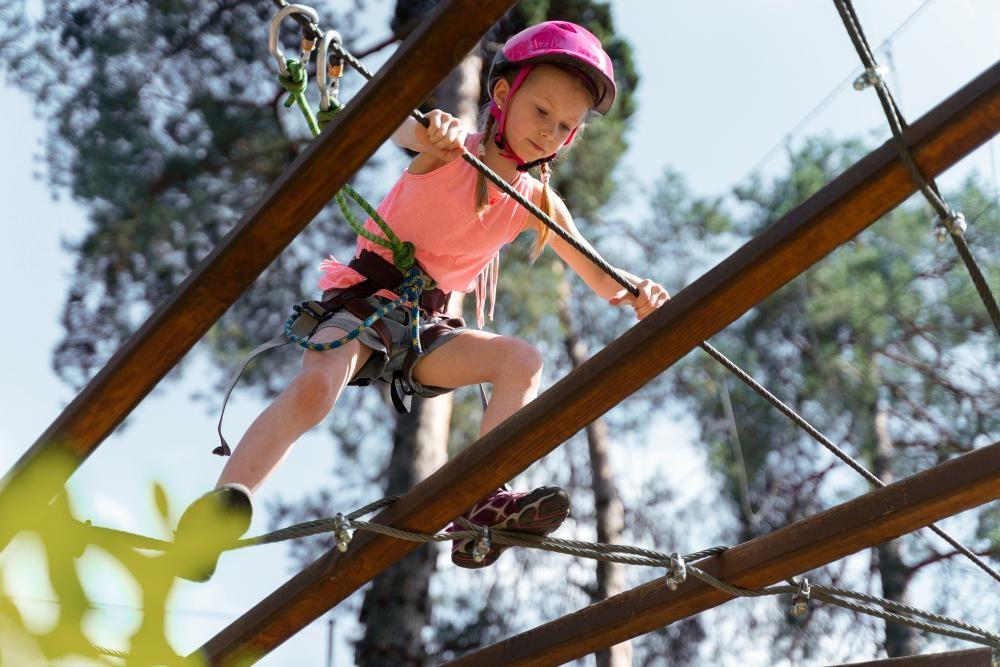
The climbing wall looks terrifying. The talent show feels impossible. The kid they have to share a canoe with is a total stranger.
And then they do it anyway.
The ACA’s Directions study documented growth in “positive identity” (self-esteem, self-worth, personal capability), and reports suggest 92% of campers say camp helped build their self-esteem. What makes camp uniquely good at this is the low cost of failure. Messing up at camp isn’t embarrassing the way it is at school, where you’ll see the same kids tomorrow and the day after. At camp, falling off a log becomes a campfire story by dinner.
Lower stakes mean more risk-taking. More risk-taking means more opportunities to surprise yourself. That’s one of the most consistent advantages of summer camp.
5. Emotional Regulation Gets Real Practice

Kids get frustrated during games, homesick at night, and upset when things don’t go their way. Camp doesn’t prevent those moments. It gives kids dozens of chances per day to practice handling them.
A 2024 study in Frontiers in Psychology (Kirchhoff, Keller, and Blanc) found that summer camp participation supported the development of personal coping resources and well-being. The researchers also noted that the camp’s four hours of daily physical activity likely contributed to emotional and psychosocial gains, not just physical ones.
That connection matters. A kid who’s been physically active all day handles their emotions better than a kid who’s been sitting. Camps that add mindfulness or yoga components train this directly: pause, breathe, notice what you’re feeling before reacting. It’s a skill, and camp provides the reps.
Those same regulation skills carry straight into after-school settings, homework, and family life.
6. The “Summer Slide” Isn’t Just Academic
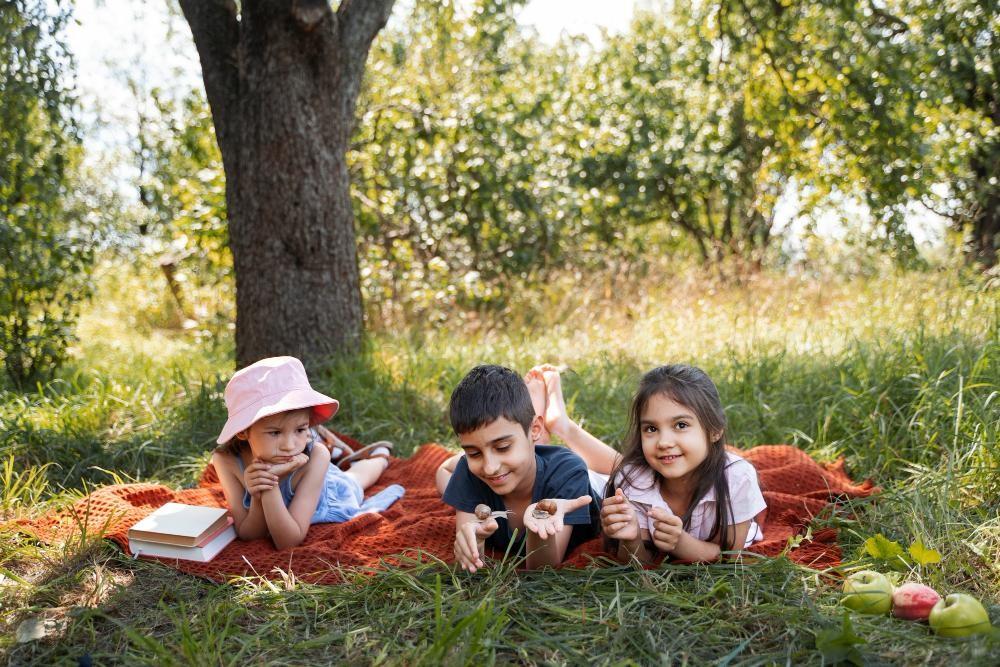
Most parents know about summer learning loss in reading and math. Fewer realize kids lose physical fitness over break too: cardiovascular endurance drops, motor skills stall, and healthy movement habits fade.
Camp addresses both at once. Cognitive skills get exercised through problem-solving, teamwork, and creative activities. Physical fitness stays on track because camp days are inherently active.
The summer camp benefits here are preventive. Instead of spending September getting your kid back to baseline, choosing the right camp keeps them moving forward all summer.
7. Kids Discover Interests They Didn’t Know They Had
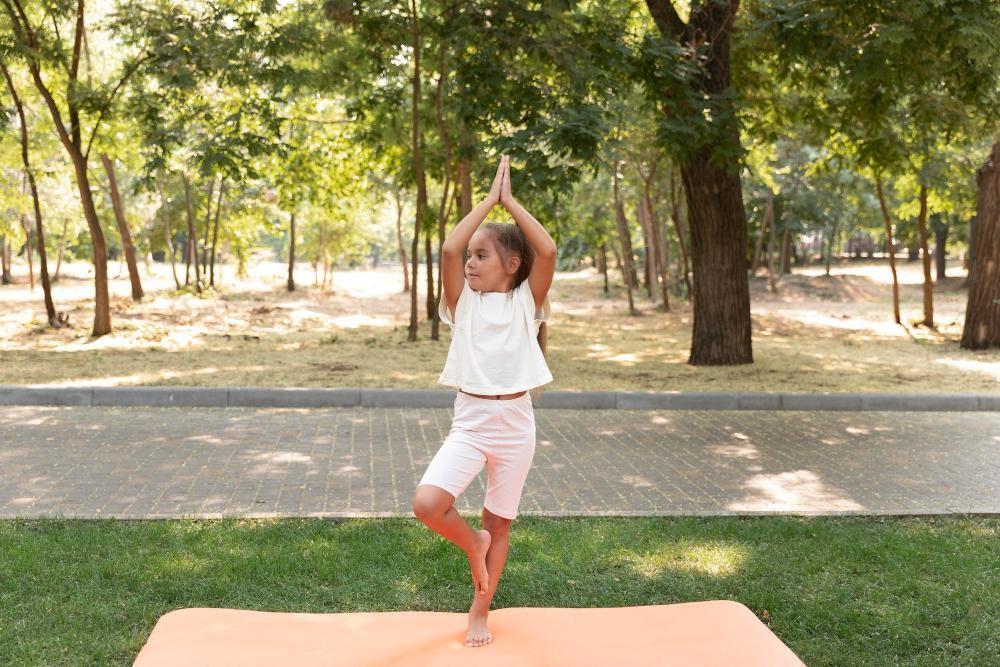
School offers a limited menu: math, reading, science, PE, maybe art. Camp offers archery, meditation, rock climbing, cooking, yoga, improv, and dozens of activities that don’t exist in a traditional curriculum.
The ACA estimates over 14,000 camps operate in the United States, many specializing in things schools can’t offer. For kids who don’t fit the academic or athletic boxes school provides, camp can be where they find their thing.
This is especially true for kids who dislike competitive team sports. A child who dreads soccer might love yoga. A kid who sits out during basketball might thrive in a program built around personal progress rather than scoreboards. The Fitfulness approach, combining fitness games, yoga, and meditation, is designed with exactly this kid in mind.
8. Friendships Form Differently at Camp
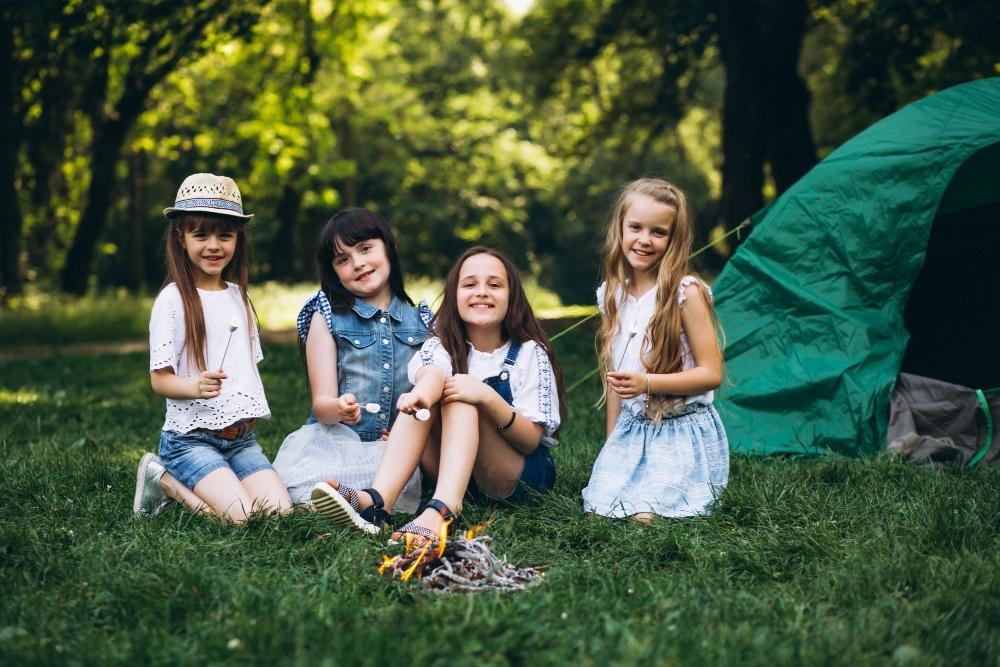
School friendships develop slowly over months, shaped by seating charts and geography. Camp friendships happen fast. Shared intensity (sleeping in the same cabin, surviving the same rainstorm, laughing at the same terrible joke) compresses the timeline.
One study found that children who felt disconnected from school peers reported feeling more similar to their camp friends, with measurable improvements in self-acceptance and reduced loneliness.
For kids who carry a label at school, camp offers a clean start. Nobody knows or cares what happened in third grade. They just see the kid in front of them right now.
9. Screen-Free Hours Add Up

The ACA’s National Youth Impact Study found that 58% of young people said camp helped them appreciate being present in the moment, specifically by taking time away from technology and building in-person relationships.
Camp creates an environment where kids interact face-to-face for hours each day. They tolerate boredom (which is where creativity actually starts), notice their surroundings, and learn to entertain themselves without a device.
For families in Rittenhouse Square and across Philadelphia, this might be camp’s most practical advantage. Even the most dedicated parents struggle to enforce hours of screen-free, active time at home during summer. Camp does it structurally. The environment handles what willpower can’t.
10. The Effects Don’t End When Camp Does

Research by Spielvogel, Warner, and Sibthorp found that benefits like affinity for nature and willingness to try new things persisted three years after attending camp. Not three weeks. Three years.
With 60% of camp alumni reporting lasting improvements in independence, teamwork, and leadership, the summer camp benefits aren’t a temporary mood boost. They’re developmental growth that shows up in the classroom, in friendships, and in how your child handles the next hard thing.
Your kid comes home dirty, tired, and full of stories you can barely follow. Six months later, they handle a tough school day differently. They try something new without being pushed. They make a friend in a situation where they used to hang back.
That’s camp doing its work long after the last day ended.
Picking the Right Camp
The research points to a few factors that separate good camps from great ones: trained staff who coach rather than just supervise, a balance of structure and freedom, daily physical activity built into the program (not bolted on), and a culture where every kid feels safe enough to take risks.
If you’re in Philadelphia and want a camp that combines movement, yoga, and meditation into a single daily experience, check out Fitfulness summer camp options available this year. You can also explore healthy kids programs across the city for more options.