You took them to the playground for two hours. You walked the Schuylkill River Trail. You did everything right. And somehow, your kid is still bouncing off the walls at 7pm asking what’s for dessert.
Sound familiar?
Here’s what’s actually going on. Most outdoor games for kids are low-intensity by design. There’s a lot of standing around, a few short sprints, and long stretches of waiting your turn. That isn’t enough to drain a high-energy kid. To really tire them out, you need fun outdoor games for kids that combine bursts of speed, full-body movement, and almost no downtime. It’s the same principle we build our fitness and mindfulness summer camps around: structured play that builds real cardiovascular endurance while kids think they’re just goofing off.
Below are seven physical outdoor games for kids that actually work. Each one is built on the same idea: short, intense intervals of full-body movement that hit the legs, lungs, and brain at the same time.
What makes a game actually tire kids out?
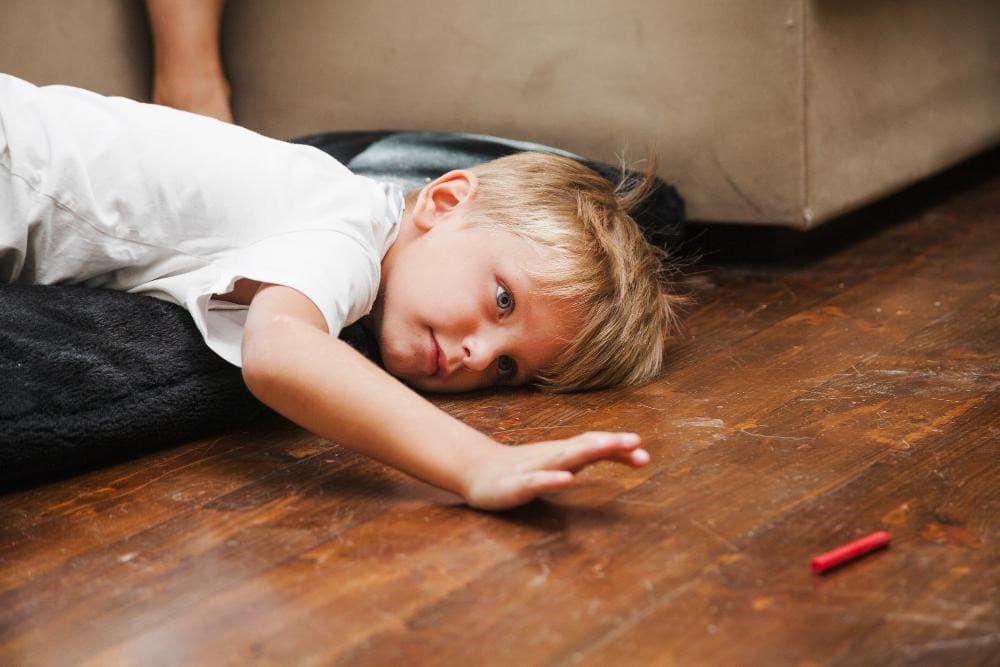
Quick answer: A game tires kids out when it keeps their heart rate elevated for at least 15 to 20 minutes through intervals of running, jumping, and full-body movement, with minimal standing around. The CDC recommends 60 minutes of moderate-to-vigorous physical activity daily for kids ages 6 to 17, but most casual outdoor play falls short of that intensity.
The games that actually work share a few traits:
- They involve sprinting, not jogging
- They use the whole body, not just legs
- They have short rest periods built in (which makes the work harder, not easier)
- They build in friendly competition, which pushes kids to give more effort without realizing it
Now, the games.
1. Sharks and Minnows (with a twist)
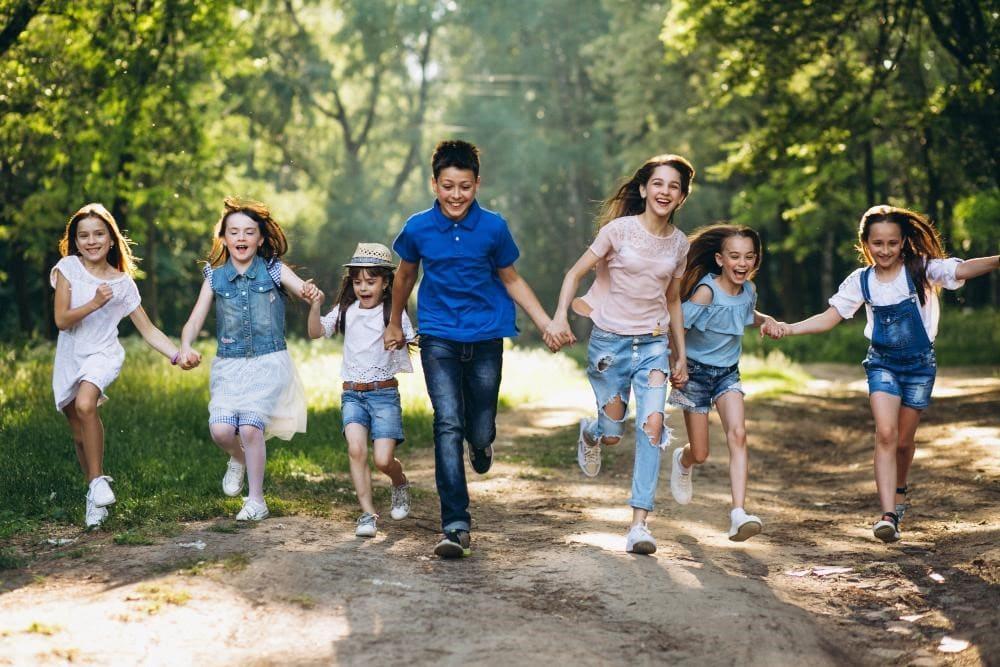
A classic chase game, but adding movement variations turns it into a real workout.
How to play: One kid is the shark, standing in the middle. The minnows line up on one end and have to cross to the other side without getting tagged. Whoever gets tagged becomes a shark too.
The twist: Every other round, change how the minnows have to move. Bear crawl one round. Crab walk the next. Frog jump after that. Then back to running.
Why it works: The animal walks fire up muscles kids don’t normally use, and the chase keeps them sprinting. Within ten minutes most kids are red-faced and breathing hard. Best for ages 5 to 12.
2. Capture the Flag
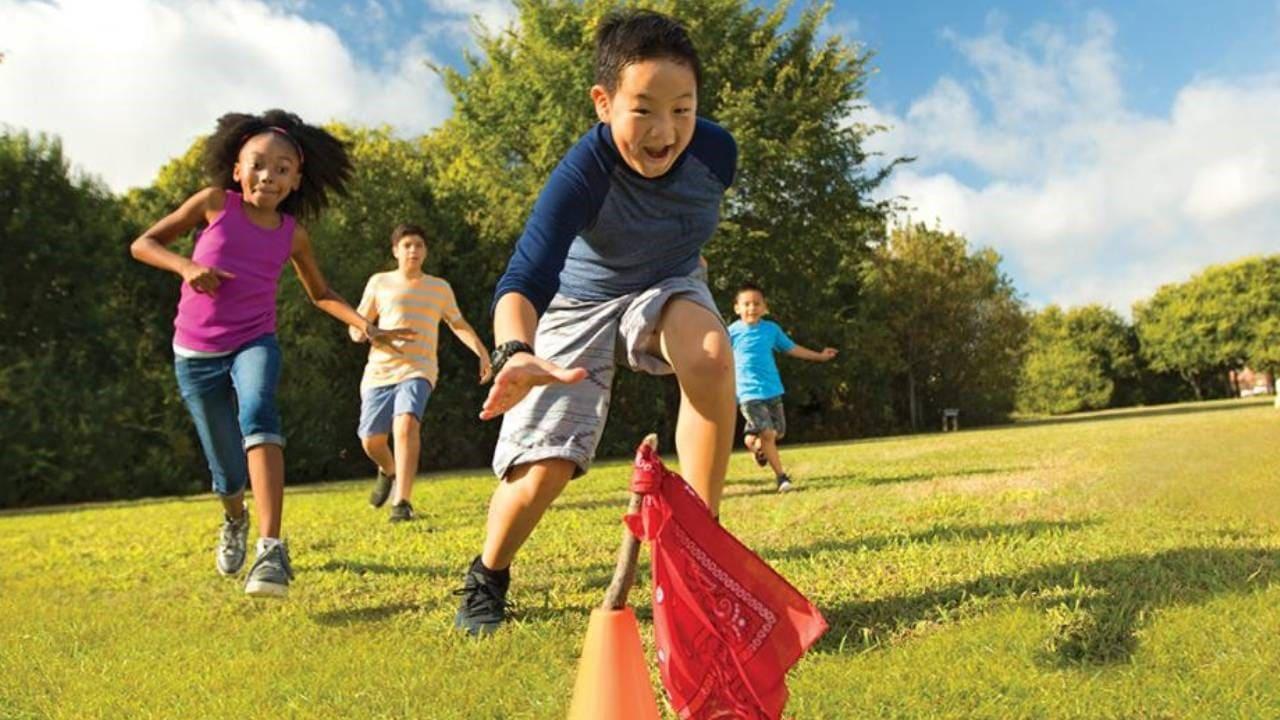
A staple at every fitness-based summer camp for a reason. It’s the rare game that builds cardio, strategy, and teamwork all at once.
How to play: Two teams, two flags, two territories. Each team tries to grab the other team’s flag and bring it back without getting tagged in enemy territory.
Why it works: Kids sprint constantly, change direction often, and the strategic element keeps them mentally locked in so they push harder physically. A solid 30-minute game leaves even older kids fully wiped out. Best for ages 7 and up.
3. Animal Walk Obstacle Course
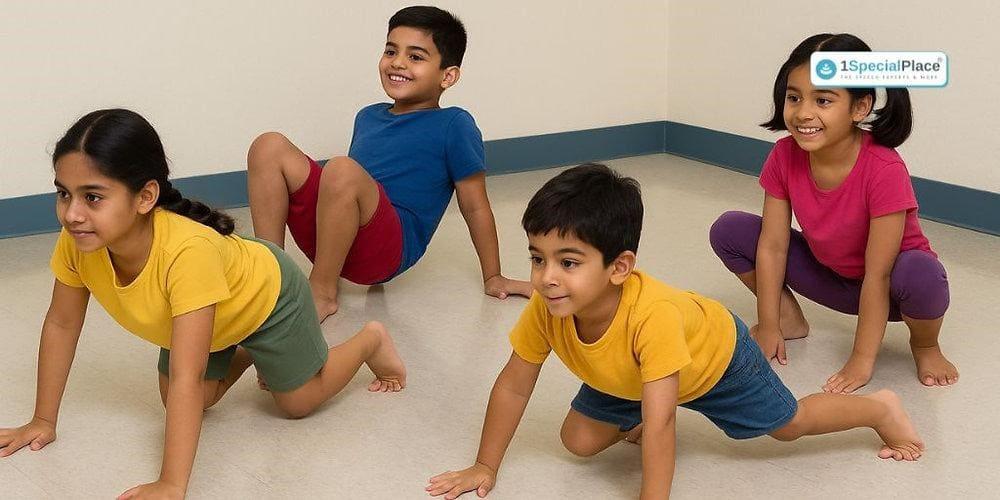
This one’s perfect when you have a backyard or any small space. It’s also one of the better outdoor activities for kids at home when you don’t want to load everyone into the car.
How to play: Set up four to six stations with cones, sidewalk chalk, or random objects. At each station, kids do a different animal movement: bear crawl forward, crab walk sideways, frog jump three times, hop on one foot, kangaroo bounds. Time them. Then have them try to beat their own time.
Why it works: Animal walks build gross motor skills, coordination, and core strength all at once. The timed element pushes them to move fast. Three or four rounds and most kids are gassed. Best for ages 3 to 10.
4. Red Light, Green Light (Sprint Edition)
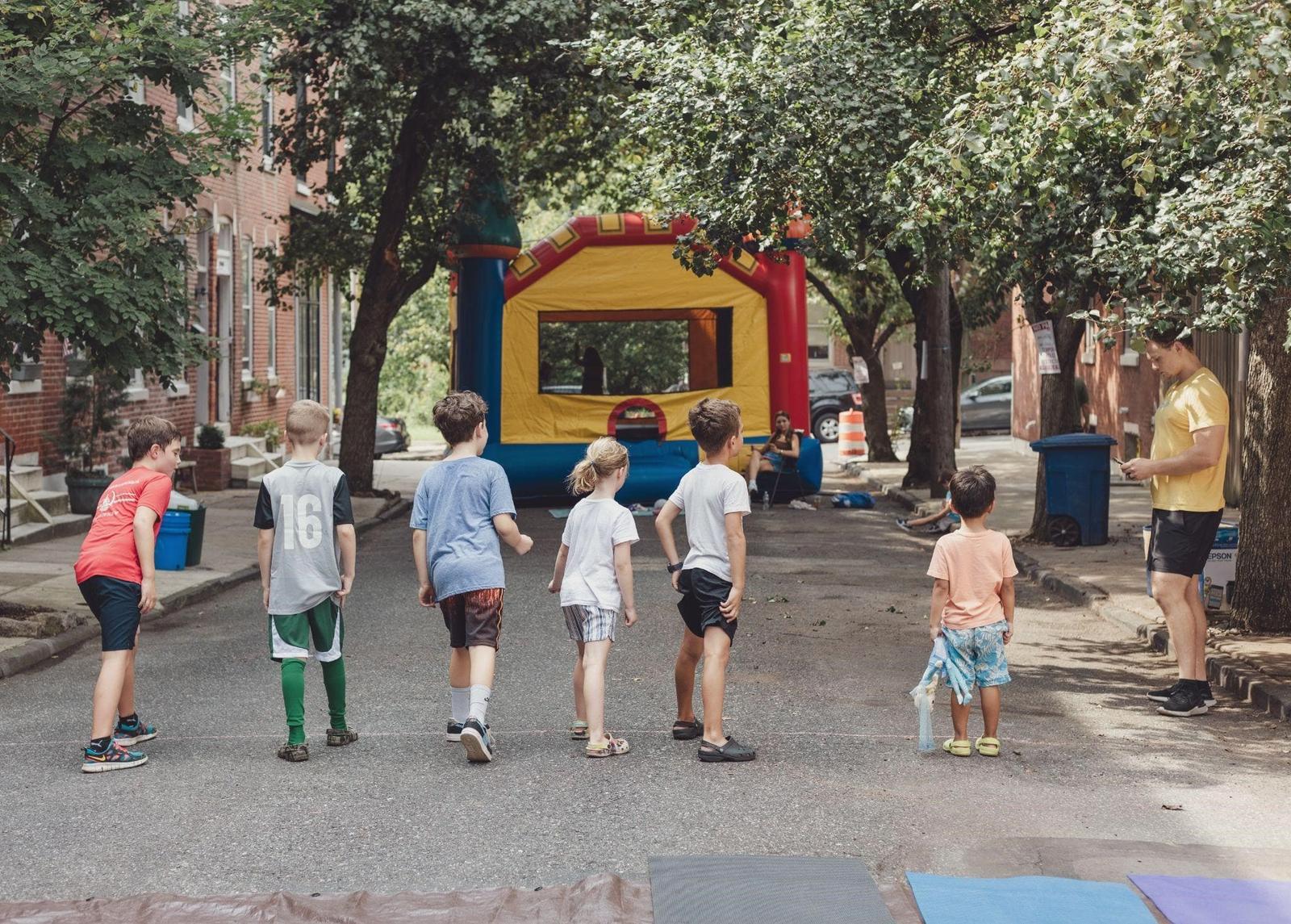
The version you played as a kid was probably too slow. Here’s how to make it actually count.
How to play: One caller stands at the end. Kids start at the other end. On “green light” they sprint forward as fast as they can. On “red light” they freeze. Caught moving? Back to the start.
Why it works: The all-out sprints between freezes spike the heart rate. The freeze itself trains body control and focus, which connects to the kind of stillness work we do in the meditation part of a typical Fitfulness camp day. Best for ages 4 to 10.
5. Relay Races with Burpees
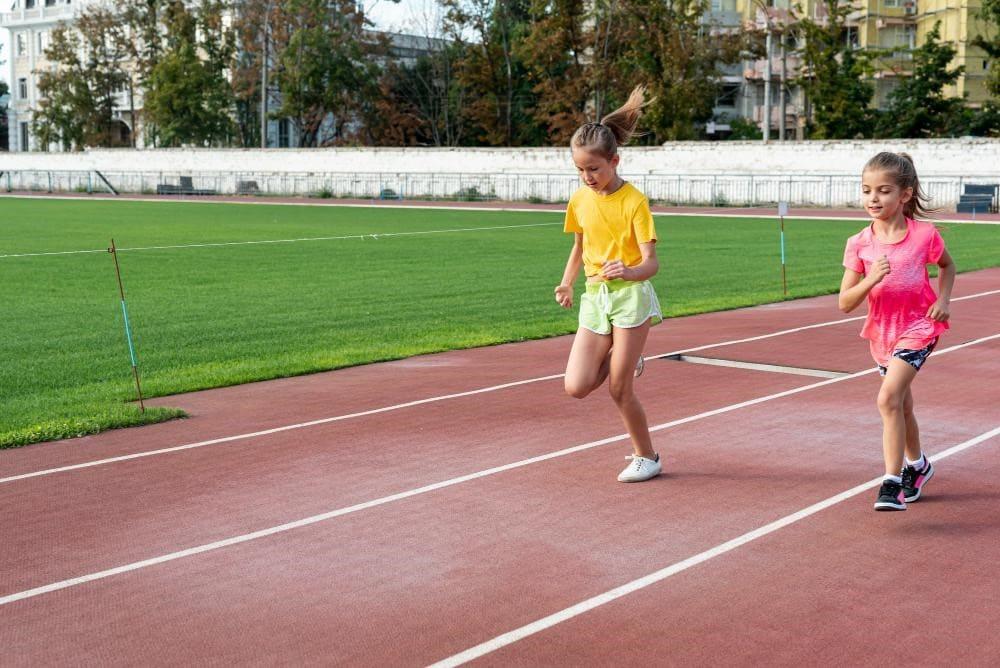
Yes, kids will do burpees if you make it a race.
How to play: Split kids into two or three teams. Each kid runs to a marker, does three to five burpees, then runs back and tags the next teammate. Run multiple rounds with different exercises (jumping jacks, mountain climbers, squat jumps).
Why it works: Burpees are one of the most efficient full-body exercises that exist. Pair them with sprints and the relay format and you’ve got a game that wears kids out in 15 to 20 minutes flat. Best for ages 6 and up.
6. Sock Wrestling
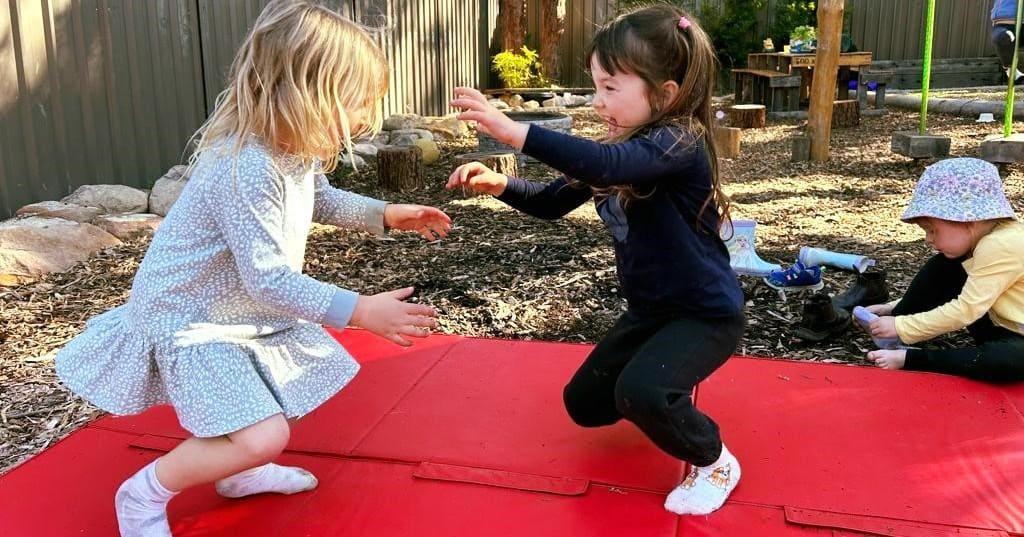
Sounds weird. Works beautifully.
How to play: Everyone wears socks (no shoes) on a soft grass area. The goal is to pull off other kids’ socks without losing your own. Last kid with both socks on wins.
Why it works: Sock wrestling is basically low-stakes mat wrestling. Kids end up sprinting, dodging, lunging, and laughing nonstop. Ten minutes and they’re flat on their backs in the grass. Best for ages 6 to 12.
7. Scavenger Hunt with Movement Challenges
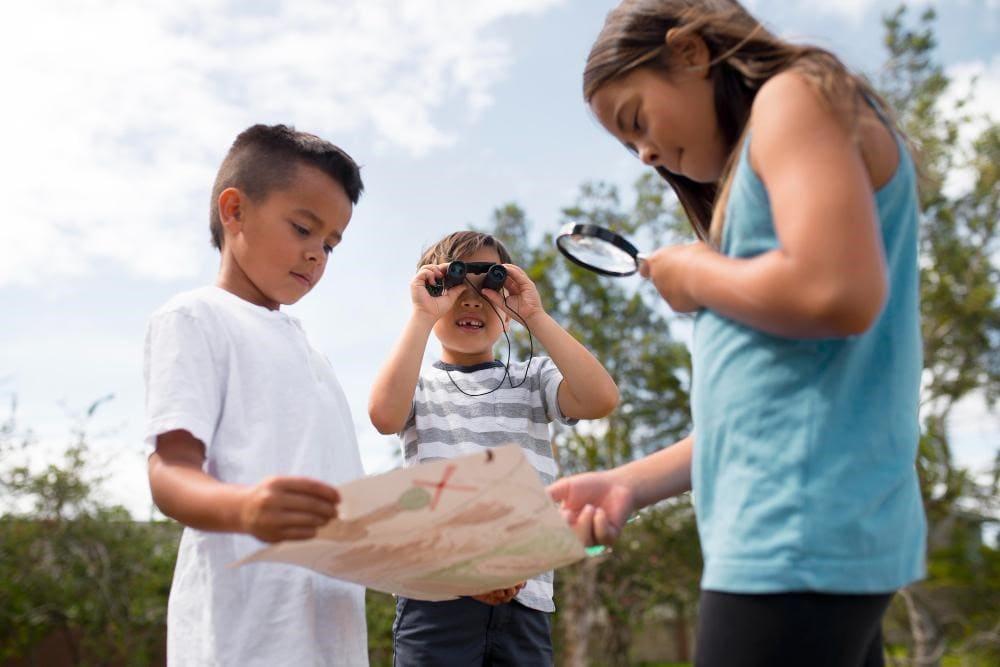
This one disguises exercise as a game.
How to play: Create a list of eight to ten outdoor items to find (a smooth rock, a yellow leaf, three different kinds of sticks). At each find, the kid has to do a movement challenge before bringing it back: 10 jumping jacks, 5 push-ups, run to a tree and back.
Why it works: It keeps kids moving for 30 to 45 minutes through a mix of walking, sprinting, and bodyweight exercise. The hunt element keeps them mentally engaged so they don’t notice they’re tired until it’s over. Best for ages 4 to 10.
Where to play in Philly
If you don’t have a yard, Philly has options. Rittenhouse Square works for tag games when it’s not packed. The grass patches along the Schuylkill River Trail near the Art Museum are good for relay races. Smith Memorial Playground in East Fairmount Park has the space for almost any of these games. FDR Park is solid for capture the flag and scavenger hunts. If your kids need this kind of structured movement on weekday afternoons too, our after-school program in Philadelphia runs the same fitness-first format year-round.
One last thing
The reason kids stay so wired after low-intensity outdoor time is that their bodies never actually get the workout they’re craving. Thirty minutes of structured active games for kids outside, with sprints and full-body movement, does what an afternoon of casual playground time can’t: it leaves them really, properly tired in the best way.
This is the same principle our coaches use every day. Kids burn through their energy with hard physical play first, then come down through yoga and meditation. They go home calm. If that’s the kind of summer your kid needs, here’s a closer look at the real benefits of a structured summer camp for active kids.