Kids have a lot going on, especially children growing up in Philadelphia’s urban communities, where busy schedules, crowded environments, and limited access to open space can make it even more important to find healthy ways to move, focus, and recharge.
Additionally, kids are learning new things, navigating friendships, managing big emotions, moving from one activity to the next, and taking in an incredible amount of information every day. Just like adults, children can certainly benefit from learning how to slow down, notice what they’re feeling, and reconnect with the present moment.
That’s where mindfulness for kids comes in.
Mindfulness doesn’t mean expecting a five-year-old to sit perfectly still with their eyes closed for half an hour. For children, mindfulness can be active, playful, simple, and surprisingly fun.
Here’s what parents should know about mindfulness, why it can be valuable for kids, and a few easy ways to introduce it at home.
What Is Mindfulness for Kids?
At its simplest, mindfulness means paying attention to what’s happening right now – in our bodies, thoughts, feelings, and surroundings – without immediately reacting to it. Yous Founder, Pete Nicholson, describes mindfulness as “noticing what’s happening in your head and body without immediately judging it, reacting to it, or trying to change it.” In other words, it teaches us to recognize what we’re thinking or feeling, accept that experience for what it is, detach from it, and allow it to pass without becoming consumed by it.
For a child, that might mean:
- Noticing that their heart is beating quickly after running
- Taking a few slow breaths when they feel frustrated
- Recognizing, “I’m getting angry”
- Paying attention to the sounds around them
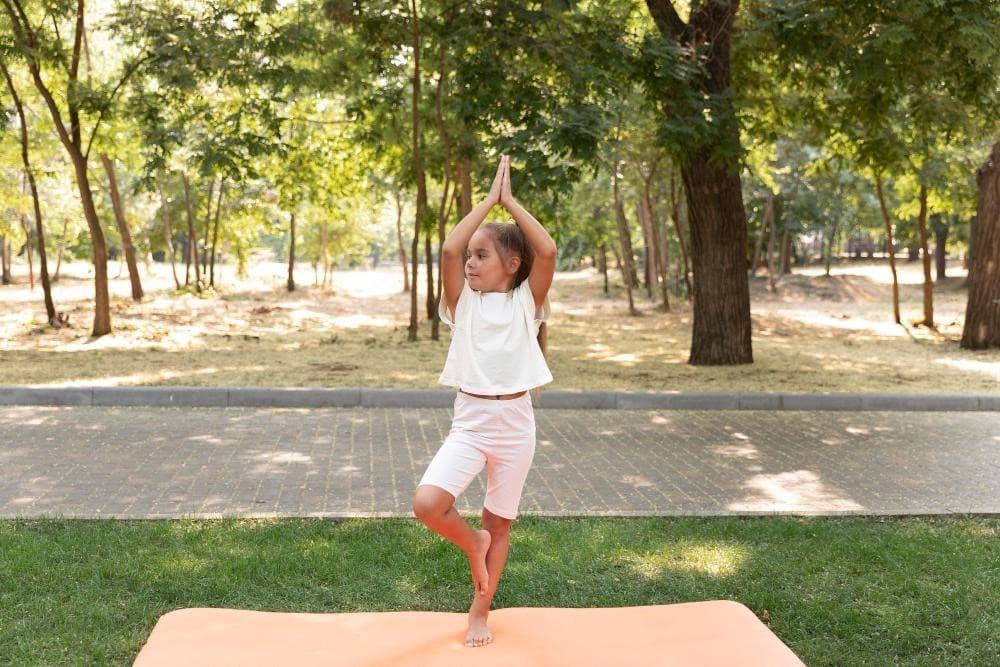
- Feeling their feet on the ground during a yoga pose
- Sitting quietly for a moment and noticing their breathing
These may seem like small things. But they help children practice something important: awareness.
Instead of immediately being swept up in every thought, feeling, or burst of energy, kids can begin learning how to notice what is happening inside them. That skill takes practice — and it develops over time.
Is Mindfulness the Same as Meditation?
Not exactly, but they are related. If you are meditating, you are probably being mindful as well. But if you’re practicing mindfulness, you’re not necessarily meditating. Practicing mindfulness can mean a range of different activities to help one soothe oneself and be in the here-and-now.
Mindfulness is the broader practice of bringing your attention to the present moment. It can happen while walking, stretching, eating, playing, breathing, or even having a conversation.
Meditation is one way to practice mindfulness. It usually involves setting aside a specific period of time to focus on something such as the breath, sensations in the body, sounds, or a guided visualization.
For kids, both can be useful.
And neither needs to look like the stereotypical image of someone sitting cross-legged in complete silence.
A mindfulness exercise for a young child might last 30 seconds. An older child may enjoy several minutes of guided breathing or meditation. The goal isn’t to make children perfectly still. It’s to gradually help them become more aware of their own bodies and minds.
What Are the Benefits of Mindfulness for Kids?
Mindfulness isn’t about eliminating difficult feelings. Children are still going to get excited, frustrated, nervous, angry, disappointed, and overwhelmed. Those emotions are part of being human.
Instead, mindfulness gives kids opportunities to recognize what they’re experiencing and practice responding more intentionally.
Over time, mindfulness activities can support skills such as:
Self-Awareness
Before children can manage an emotion, they have to begin recognizing it.
Mindfulness encourages kids to notice physical sensations, thoughts, and emotions. A child might start recognizing that their shoulders tighten when they’re nervous or that their breathing becomes faster when they’re frustrated.
That awareness can become an important first step toward understanding themselves, helping pave the way for a healthy adulthood.
Focus and Attention
Mindfulness asks children to gently bring their attention to one thing at a time: their breathing, a sound, a movement, or a sensation.
Like any skill, attention improves with practice. When a child’s mind wanders during a mindfulness exercise, that’s not failure. Noticing that their attention wandered and bringing it back is the practice.
Emotional Regulation
One of the most useful things children can learn is that there can be a small space between feeling something and reacting to it.
Mindfulness can help children practice finding that space.
Taking one slow breath won’t magically make frustration disappear. But learning to pause, breathe, and identify what they’re feeling can give a child another tool to use when emotions run high. This is yet another beneficial skill to have growing up.
Body Awareness
Kids experience emotions physically, too.
Mindfulness can help children notice things like muscle tension, breathing, heartbeat, balance, posture, and energy levels. This connection between body and mind is one reason practices such as movement, yoga, breathwork, and mindfulness work so naturally together.
What Does Mindfulness Actually Look Like for a Child?
Mindfulness can be fun for children, and it often looks much more playful than parents expect. You don’t necessarily need a meditation cushion, special music, or a completely silent house.
Try one of these simple mindfulness exercises for kids:
1. Take Five Slow Breaths
Ask your child to place a hand on their belly and take five slow breaths.
Encourage them to notice what happens as they breathe in and out.
Does their belly move? Does their chest rise? Does the fifth breath feel different from the first? Remember to keep it simple.
2. Try a Five-Senses Check-In
Ask your child to notice:
5 things they can see
4 things they can feel
3 things they can hear
2 things they can smell
1 thing they can taste
This turns mindfulness into something concrete and helps bring attention back to the immediate environment.
3. Listen for the Farthest Sound
Sit quietly together and ask your child to listen.
What’s the closest sound they can hear?
What’s the farthest?
Maybe it’s a refrigerator humming, a car outside, birds chirping, footsteps upstairs, or their own breathing.
This is a great way to practice focused attention without telling a child to simply “sit still.”
4. Practice Mindful Movement
Mindfulness doesn’t have to happen while sitting down.
Try moving slowly through a stretch or yoga pose and ask your child what they notice.
Where do they feel the stretch? Is balancing easier on one side? Is their breathing fast or slow?
For energetic kids in particular, movement can be an excellent bridge into mindfulness.
5. Name the Feeling
Sometimes mindfulness can be as straightforward as helping a child identify what’s happening.
“I feel frustrated.”
“My body feels tired.”
“I’m really excited.”
“My stomach feels nervous.”
There doesn’t always need to be an immediate solution. Learning to notice and name an experience is valuable on its own.
Don’t Turn Mindfulness For Your Child Into Another Chore
This part matters. If mindfulness starts feeling like homework, kids probably aren’t going to want much to do with it.
Keep the practice age-appropriate, light, and pressure-free. A minute of successful mindfulness is more valuable than forcing a child through ten minutes they hate.
It can also help to introduce mindfulness when a child is already calm, rather than waiting until they’re in the middle of a meltdown. This is important to remember.
Think of it like learning any other skill. You wouldn’t teach someone how to swim for the first time after they’ve fallen into deep water.
Practice the skill first. Then, over time, children may be able to draw on it when they need it.
Yous Combines Mindfulness and Movement For Kids
We don’t view physical fitness and mindfulness as separate parts of a child’s well-being. We bring them together through Fitfulness — our fusion of fitness, yoga, and mindfulness.
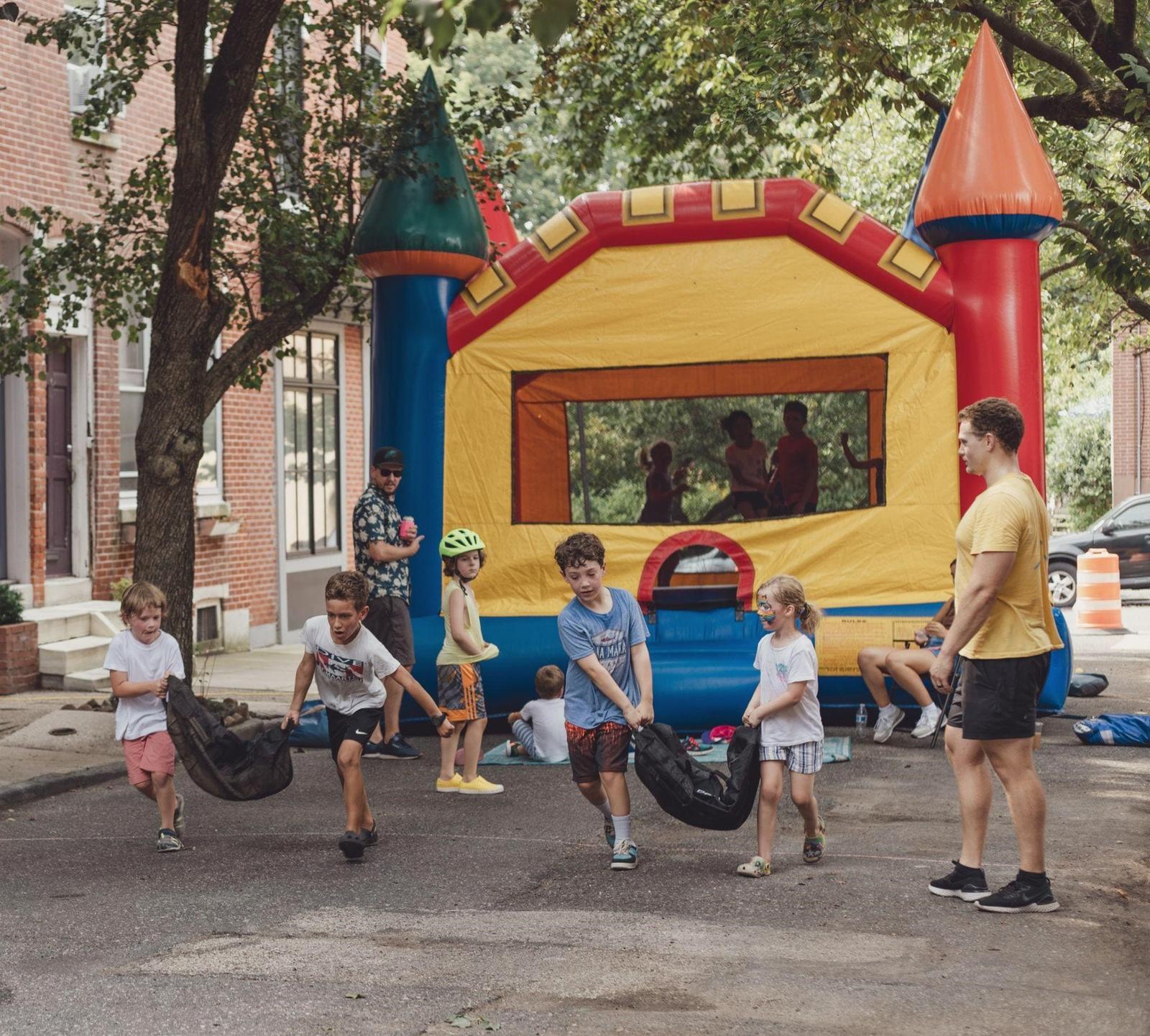
Kids are naturally built to move. Running, jumping, balancing, stretching, playing games, and working through physical challenges give them opportunities to build strength and confidence while becoming more aware of their bodies.
At Yous, children build strength, focus, and confidence through a combination of movement and mindfulness. A typical session may include an obstacle course or other fitness activities, followed by yoga, breathwork, and mindfulness exercises that help children slow down, pay attention, and notice what’s happening internally.
One moment, a child may be running through an obstacle course. Later, they may be concentrating on their breathing or settling into a yoga pose.
Both experiences teach something.
Our goal isn’t to make kids less energetic. It’s to help them develop a positive relationship with both movement and stillness, and give them tools they can continue building on as they grow. These skillsets are invaluable as they grow into adulthood.
Helping Kids Build Mindfulness One Moment at a Time
You don’t need to completely change your family’s routine to introduce mindfulness.
Start small.
Take three breaths together before school. Try a five-senses exercise during a walk. Stretch for a few minutes before bed. Ask your child what they notice in their body after running around outside. Those little moments count.
Mindfulness for kids isn’t about creating perfectly calm children. It’s about helping children better understand themselves – their bodies, emotions, thoughts, and attention – and giving them opportunities to practice what to do with that awareness.
Ready to Help Your Child Build Strength, Focus, and Confidence?
At Yous, we believe healthy minds and healthy bodies grow stronger together. Discover Yous programs that combine fitness, yoga, and mindfulness for kids in Philadelphia in a fun and supportive environment.